
How Automation Can Revolutionise Your Removal Business
Integrating automation can streamline operations and boost profits in removals. Discover impactful automation strategies for UK businesses.
Introduction
The concept of automation within the removal industry refers to the use of technology to streamline and enhance various aspects of a removal business, from scheduling and customer management to inventory tracking and invoicing. In the UK, where the removal sector is projected to grow significantly, embracing automation is not just a competitive advantage; it is becoming a necessity. As more customers expect seamless, efficient services, a removal business that leverages automation can respond faster, reduce costs, and improve overall customer satisfaction. This article provides valuable insights into how automation can revolutionise your removal business, offering practical steps and real-world examples tailored to the UK market.
According to recent industry reports, the UK removal industry has an estimated worth of £3.5 billion, with thousands of companies operating across the country. However, many businesses still rely on outdated manual processes, which can lead to inefficiencies and higher operational costs. By integrating automation tools, removal companies can enhance their service delivery and operational efficiency, ultimately leading to increased profitability.
This article will explore specific aspects of automation, offering detailed strategies and implementation steps, advanced considerations, financial implications, and addressing frequently asked questions. By the end of this article, removal business owners will have actionable insights that they can apply immediately to drive their businesses forward.
Streamlining Operations with Automated Scheduling
One of the most immediate and impactful applications of automation in the removal business is the streamlining of operations through automated scheduling systems. In the UK, where customer expectations for swift and efficient service are high, having an automated scheduling system can drastically reduce the administrative burden on staff and improve the overall customer experience.
Automated scheduling tools, such as Jobber or Quotient, allow businesses to manage bookings in real-time. These platforms enable customers to book removals online, select their preferred time slots, and receive instant confirmations. For instance, a typical manual scheduling process could take hours, with staff needing to contact customers and coordinate times. In contrast, automated systems significantly reduce this time to mere minutes.
A case study involving a UK removal company, ABC Removals, illustrates this point. Prior to implementing an automated scheduling system, the company faced a backlog of bookings, leading to customer dissatisfaction. After integrating Jobber, they reported a 40% reduction in scheduling conflicts and a 30% increase in overall bookings within the first quarter. Moreover, they reduced their administrative costs by approximately £1,500 annually, which was previously spent on overtime wages to manage scheduling.
For smaller removal companies, the costs of implementing such systems can be quite reasonable. Subscription packages for tools like Jobber range from £15 to £100 per month, depending on the features required. This investment can lead to significant returns by freeing up staff time for other vital business operations.
To implement an automated scheduling system, follow these steps:
- Research and select an appropriate scheduling tool that fits your business size and services.
- Set up the system, ensuring it integrates with your existing customer management software.
- Train your staff on how to use the new system effectively.
- Launch the automated scheduling feature on your website, promoting it through social media and email marketing.
- Monitor the use of the system and gather feedback from customers to make adjustments where necessary.
By automating the scheduling process, removal businesses can not only improve operational efficiency but also enhance customer satisfaction, resulting in increased loyalty and repeat business.
Enhancing Customer Relationship Management through Automation
Customer Relationship Management (CRM) is vital for any removal business that aims to build long-term relationships with clients. Automation can transform the way removal companies interact with customers, from initial contact through to post-removal follow-ups. In the UK market, where competition is fierce, a robust CRM system can provide a significant edge.
CRM tools like Salesforce or Zoho CRM can automate various customer interaction processes such as follow-up emails, reminders for quotes, and customer feedback requests. For example, a removal company might find that sending automated follow-up emails to clients who have received a quote increases the likelihood of conversion. In fact, studies show that businesses that use marketing automation can achieve conversion rates that are 53% higher than those who don’t.
Consider the example of XYZ Removals, which implemented Zoho CRM to manage their customer interactions. Before automation, their team spent excessive time manually sending follow-up emails and tracking customer responses; this led to missed opportunities and decreased sales. After integrating the CRM, they automated their follow-up process, resulting in a 25% increase in conversions from quotes to actual jobs, translating to an additional £50,000 in revenue over six months.
Implementing a CRM system involves several steps:
- Identify your specific needs in customer relationship management.
- Select a CRM tool that fits your budget and meets your operational needs.
- Migrate existing customer data into the new system.
- Automate key processes, such as follow-up emails and feedback requests.
- Train your staff on how to utilise the CRM effectively to enhance customer interactions.
While the initial setup costs for CRM systems can vary, they generally start at around £12 per user per month and can go up to £200 or more for advanced features. Given the potential for increased sales and improved customer relationships, this investment is likely to yield substantial returns. Moreover, by leveraging automation in CRM, removal businesses can personalise their communication, thereby fostering a more meaningful connection with clients.
Advanced Automation: Inventory Management and Tracking
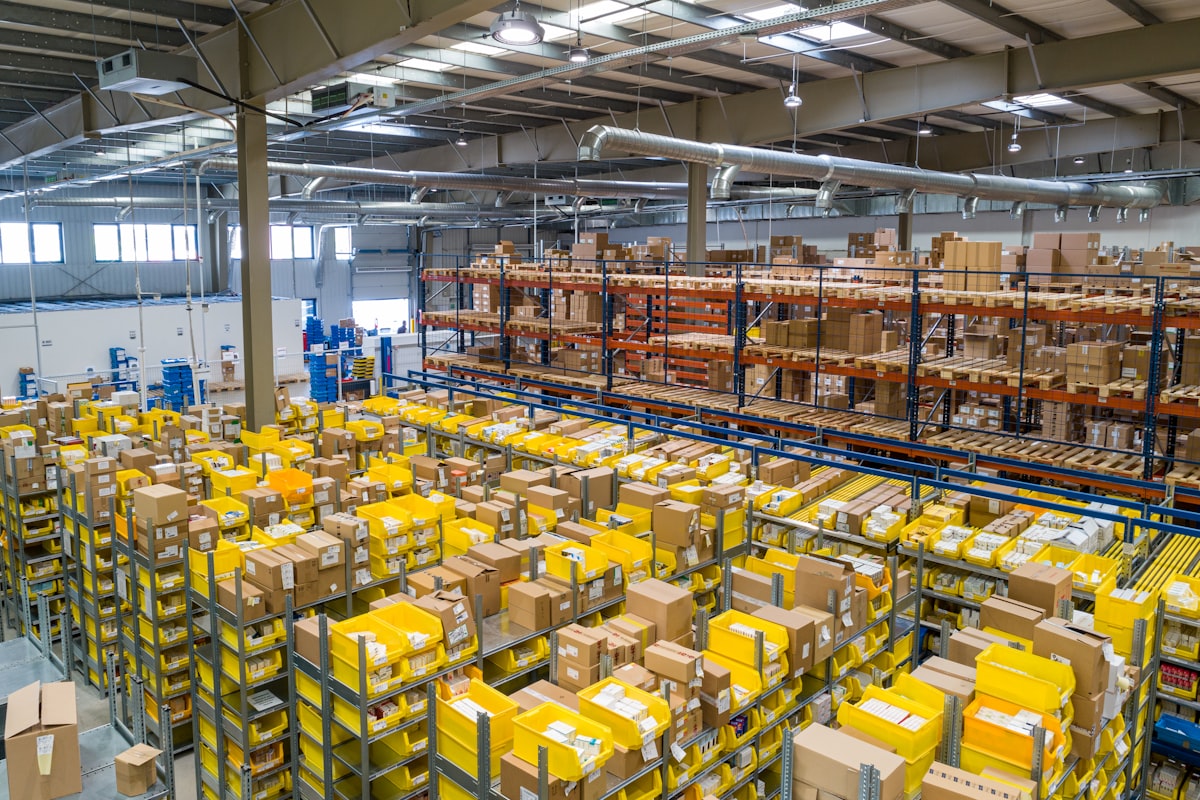
As removal businesses grow, managing inventory becomes increasingly complex. Automation can assist in tracking inventory, ensuring that all equipment, packing materials, and vehicles are accounted for and in good condition. This aspect is particularly crucial in the UK, where regulations regarding vehicle safety and equipment standards are stringent.
Using inventory management software like Sortly or Asset Panda allows removal companies to keep real-time track of their assets, ensuring that everything is readily available when needed. For instance, a company that frequently undertakes large removals may need to track multiple vehicles and a wide range of packing materials. By automating this process, they can reduce the risk of running out of essential items, which can lead to costly delays.
A UK-based removal company, LMN Movers, faced challenges with inventory tracking, leading to delays and increased costs. After adopting Sortly to manage their inventory, they reported a 50% reduction in time spent on inventory checks and a notable decrease in last-minute purchases of packing materials, saving them approximately £3,000 annually.
To effectively implement automated inventory management, removal businesses should follow these steps:
- Assess your current inventory management processes and identify pain points.
- Select an inventory management tool that aligns with your operational requirements.
- Input all inventory items into the system, categorising them by type and condition.
- Train staff on how to use the system for tracking and managing inventory efficiently.
- Regularly review inventory reports to make informed purchasing decisions and reduce wastage.
Investing in automated inventory management systems typically ranges from £30 to £200 per month, depending on the features required. The long-term benefits, including reduced costs and improved operational efficiency, make this a sound investment for removal businesses aiming to scale their operations.
Costs and Financial Considerations
Understanding the financial implications of automation is essential for removal businesses considering these technological advancements. The investments in software and systems must be weighed against the potential savings and revenue increases resulting from improved efficiency and customer satisfaction.
| Automation Tool | Estimated Monthly Cost (GBP) | Potential Annual Savings (GBP) |
|---|---|---|
| Automated Scheduling (Jobber) | £15 - £100 | £1,500 |
| CRM System (Zoho CRM) | £12 - £200 | £50,000 (increased conversions) |
| Inventory Management (Sortly) | £30 - £200 | £3,000 |
By analysing these costs and potential savings, removal companies can make informed decisions about which automation tools to invest in. Moreover, considering the growth trajectory of the industry, the initial outlay can often be recouped within a year through increased efficiency and reduced operational costs.
Frequently Asked Questions
1. What are the initial costs of implementing automation in my removal business?
The initial costs can vary significantly depending on the tools you choose. For automated scheduling, expect to pay between £15 to £100 monthly. CRM systems may start at around £12 per user monthly, while inventory management tools can range from £30 to £200 monthly. It's crucial to consider both the upfront costs and the potential long-term savings.
2. How can automation improve customer satisfaction?
Automation enhances customer satisfaction by providing timely responses and reducing errors in scheduling and communication. Automated systems allow customers to book services online and receive instant confirmations, which meets their expectations for quick service. Additionally, automated follow-ups ensure that no customer inquiries fall through the cracks.
3. Are there specific regulations I should consider when automating my removal business?
Yes, UK regulations concerning data protection (GDPR) are significant when implementing automation. Ensure that your chosen software complies with GDPR requirements, especially concerning customer data storage and management. Regular training on compliance for your staff is also recommended.
4. How can I ensure my staff adapts to new automated systems?
Training is key to ensuring smooth adaptation to new automated systems. Organise comprehensive training sessions and provide ongoing support as staff become familiar with the software. Encourage feedback to identify areas where additional training may be required, ensuring everyone is comfortable with the new processes.
5. What are common mistakes when implementing automation in a removal business?
Common mistakes include underestimating the time required for training, failing to choose the right tools for your specific needs, and not integrating systems effectively. To avoid these pitfalls, take the time to assess your requirements carefully, involve staff in the selection process, and ensure thorough training and support are provided.
Key Takeaways
Automation in the removal business can lead to significant improvements in operational efficiency, customer satisfaction, and overall profitability. By streamlining scheduling, enhancing customer relationship management, and automating inventory management, removal companies can position themselves competitively in the UK market. For those looking to delve deeper into automation and its applications, The Moving School offers comprehensive training resources that can help removal businesses succeed and thrive in this evolving landscape.
```Ready to Build a Profitable Moving Company?
At The Moving School, we help movers launch, grow, and streamline their businesses so you can focus on freedom, profit, and expansion.
Our comprehensive training programme includes step-by-step video lessons, professional mover training manuals, proven phone scripts, ready-made templates, and 15+ powerful business tools including a CRM, quote generator, scheduler, and ROI tracker.
Join now from just £124.91/month or £1,499 one-time payment.
Visit www.themovingschool.com to get started